Is CrossFit Safe If You're Over 40?
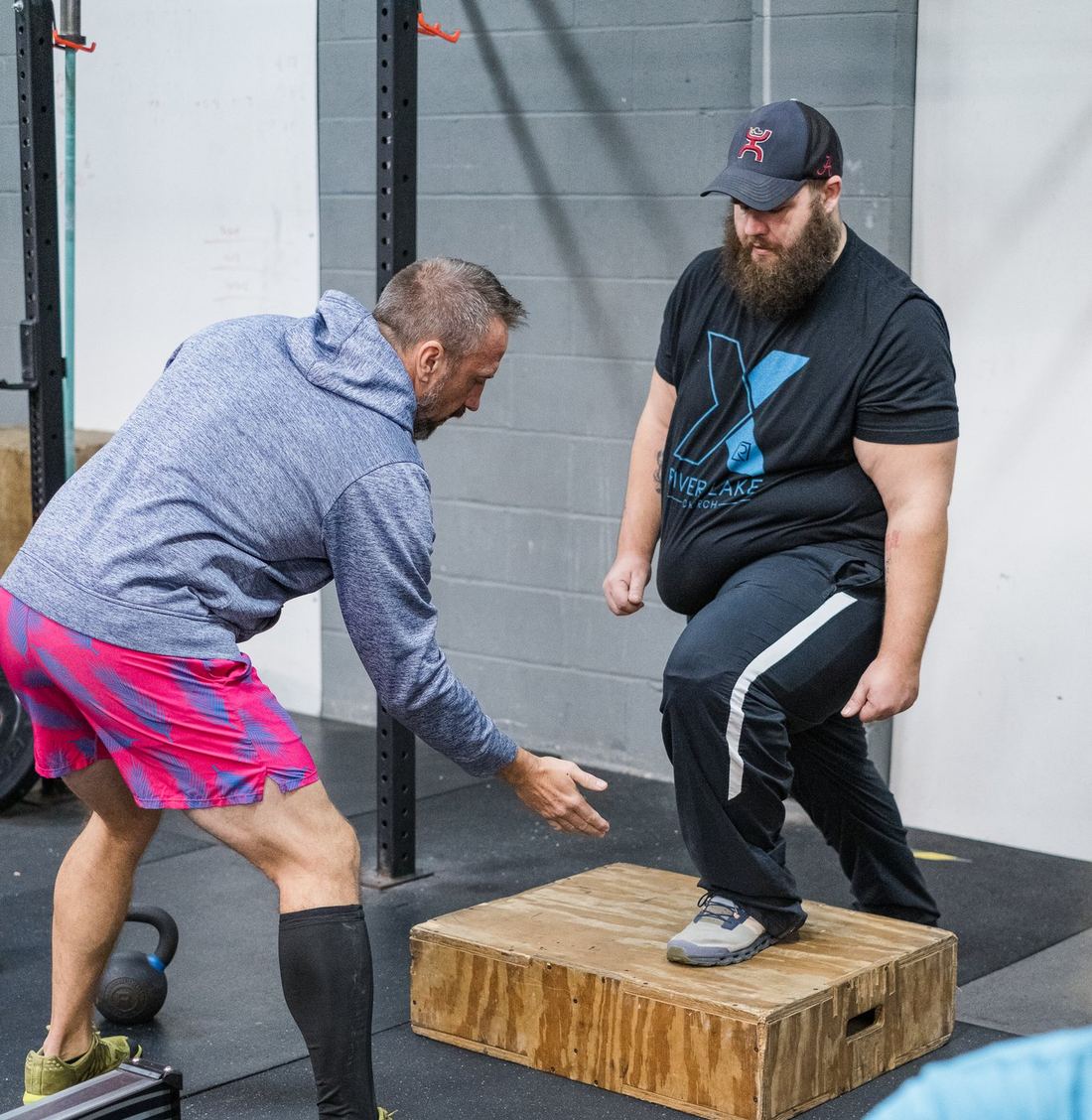
Yes, when it's coached well. The risk isn't your age. It's doing too much, too soon, with nobody watching how you move.
If you're over 40 and you've watched CrossFit videos online, I understand the hesitation. What you see on social media is mostly competitive athletes doing the hardest version of everything as fast as they can. That's not what a normal class looks like, and it's not what we ask of someone who's just starting.
A lot of the people who ask me about RNF are in their 40s and 50s, and most of them come in with the same question you have. Here's how I'd answer it.
What actually changes after 40
Your body still gets stronger with training at 40, 50, and 60. What changes is how much room for error you have. Recovery takes a little longer. Old injuries have a way of speaking up. Joints that never complained in your twenties may need a better warm-up now.
None of that is a reason to avoid strength training. If anything, it's the reason to start. Muscle, balance, and bone density all decline when you don't use them, and they all respond when you do. The goal is to train in a way that respects what's changed.
What makes CrossFit safe, or not
CrossFit is a set of movements: squatting, lifting things off the ground, pressing overhead, pulling, carrying, and moving fast for short periods. Done well, those are the same things that keep you capable in everyday life. Done poorly, any of them can hurt you. The difference comes down to a few things:
- Someone watching how you move. A coach catches a rounded back on a deadlift or a knee caving on a squat before it becomes a habit or an injury.
- The right version of the workout. Every workout can be scaled. Lighter weight, fewer reps, a different movement that trains the same thing. You do the version that fits you today.
- Learning before loading. Technique comes first. Weight goes up only when the movement is solid.
- Room to recover. More isn't always better. For most people over 40, three or four days a week with real rest in between beats training every day and feeling beat up.
That's why the gym matters more than the workout. The same movements can be safe in one place and risky in another, depending on how closely you're coached.
What to watch for in your first few weeks
- Normal: general muscle soreness a day or two after training, feeling tired, some movements feeling awkward at first.
- Tell your coach: sharp pain, pain in a joint rather than a muscle, anything that gets worse as you keep going, or an old injury acting up.
- Talk to your doctor first if you have a heart condition, high blood pressure that isn't controlled, a recent surgery, or you're simply unsure whether exercise is right for you.
The best thing you can do is be honest with your coach. If something doesn't feel right, say so. We would much rather adjust a workout than have you push through something you shouldn't.
Is it ever too late to start?
I haven't met anyone who was too old to get stronger. I have met plenty of people who wished they'd started sooner. The ones who do best aren't the fittest on day one. They're the ones who keep showing up, stay patient with the progress, and let their coach guide the pace.
That doesn't mean easy. We believe people are capable of hard things at any age. Good coaching just makes sure it's the right kind of hard for you.
How to start at RNF
If you're in the Glasgow area and you've been on the fence, start with our Free Intro & Tour. It's about 30 minutes, with no workout and no obligation. We'll talk about your goals, any injuries or concerns, and what's been getting in the way, then show you around and recommend a way to start.
Prefer one-on-one attention at first? Personal training is a good on-ramp before group classes. You can also read what a CrossFit class at RNF looks like, or our earlier post on whether you need to get in shape before starting.
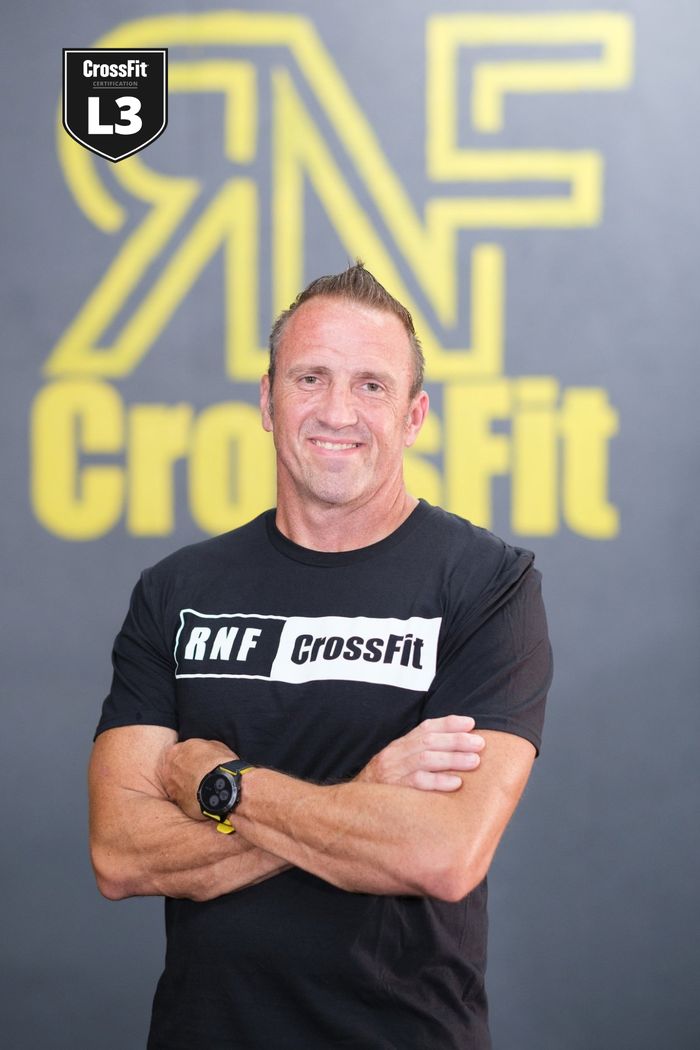
Kevin Morgan is the owner and head coach of RNF CrossFit in Glasgow, Kentucky. He's a CrossFit Level 3 Trainer (CF-L3) and an RRCA-certified running coach. Meet the coaches.